What You Learn in a Basic to Advanced Makeup Artist Course
Many people think makeup is only about applying many products on the face surface. But professional makeup is much more than that. It is an art about understanding skin, face structure, colour balance, and client comfort. If you are planning to join Makeup Artist Course, it is important to know what you will learn and knowledge about makeup products . A proper course builds your skills step by step – from basics to advanced bridal techniques.
who wants to become a professional makeup artist in Meerut, Here training is structured as the first step to last step.
Read Also: How Long Does It Take to Become a Professional Makeup Artist?
Makeup Artist Course the Basics – Where Every Student Starts
Every strong artist begins with basics.
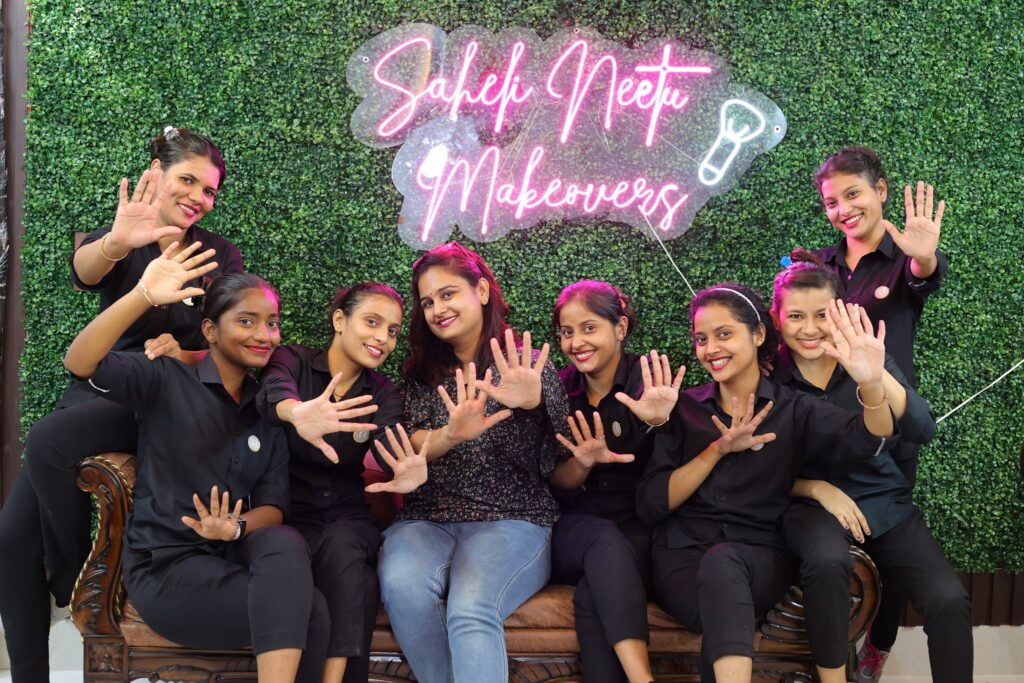
First Step In the makeup course:
- Skin types (oily, dry, combination, sensitive)
- Face shapes
- Basic skin preparation
- Product knowledge
- Hygiene and tool care
Without understanding skin, no makeup will look good.
Many beginners ignore skin prep. But professionals know that good makeup always starts with clean, moisturized, and balanced skin.
Learning Colour Theory and Product Knowledge
Colour theory is very important.
Students learn:
- How to match foundation correctly
- How to make base for makeup
- How to choose lipstick shades according to skin tones
- How lighting affects makeup
This knowledge separates trained artists from self-taught beginners.
Practical Training – Hands-On Practice
Makeup is a skill. It improves only with practice.
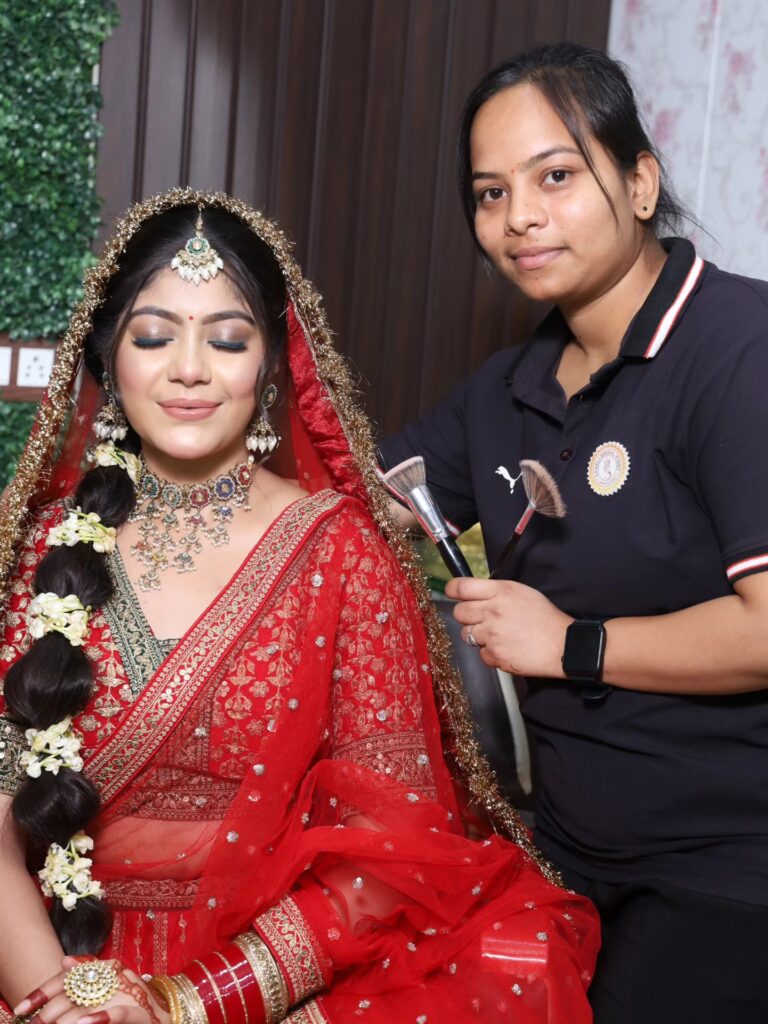
In a structured course, students practice on:
- Live models
- Different age groups
- Different skin types
They learn how to blend properly and create smooth finishes.
Practice builds confidence.
Eye Makeup Techniques
Eyes are the focus of Indian bridal looks.
Students are trained in:
- Basic eyeliner styles
- Smokey eye technique
- Cut crease
- Glitter application
- Lash placement
Eye makeup requires precision and patience. Small mistakes can change the entire look.
Contouring and Highlighting
Advanced training includes:
- Face shaping using contour
- Natural highlighting
- Blush placement
The goal is not to change the face, but to enhance features.
Professional artists learn balance – not overdoing products.
Bridal Makeup Techniques
In advanced level courses for makeup artists, bridal training becomes important.
Students learn:
- HD makeup technique
- Airbrush basics
- Long-lasting base creation
- Sweat control methods
- Makeup under stage lighting
Bridal makeup requires durability and emotional management. Weddings are long and stressful. The artist must stay calm and confident.
Hair Styling and Draping
Makeup is incomplete without proper styling.
Advanced courses also include:
- Basic bridal hairstyles
- Juda setting
- Hair volume techniques
- Saree and dupatta draping
A complete bridal look needs coordination between makeup and outfit.
Client Communication and Professional Ethics
A good artist must also know how to talk to clients.
Training includes:
- Consultation skills
- Understanding client expectations
- Time management
- Maintaining hygiene standards
Professional behaviour builds trust.
Talent Is Not Enough
Many people believe natural talent is enough.
But professional makeup needs structure.
Without training:
- Product knowledge remains limited
- Blending techniques stay weak
- Confidence remains low
A proper course gives discipline and real understanding.
Experience matters more than shortcuts.
Learning from Experienced Professionals
At Saheli Bridal Point, bridal makeup experience has been built over years of working with real brides.
These kind of practical helps students understand:
- Real wedding pressure
- Different skin challenges
- Local climate impact
- Tradition preferences
Anyone planning to become a skilled makeup artist in Meerut must learn from professionals who understand local wedding demands.
Conclusion
A basic to advanced makeup course is not just about learning how to apply products.
It teaches:
- Skin understanding
- Colour balance
- Blending techniques
- Bridal durability
- Professional behaviour
If you are exploring courses for makeup artists, choose training that focuses on practice, hygiene, and real-world experience.
Makeup is an art. But professional makeup is art with responsibility.
FAQs
1. How long does a basic to advanced makeup course take?
It usually takes a few weeks to a few months depending on the level and practice hours.
2. Do I need prior experience to join?
No. Most courses start from the basic level and build skills step by step.
3. Is practical training important?
Yes. Practice on real models builds confidence and improves blending skills.
4. Can I start freelancing after completing the course?
Yes, with proper practice and portfolio building.
5. Is certification important?
Certification adds credibility, but practical skill matters more in the long run.